Green Electronics Recycling: Safeguard the Planet While Getting Rid of Your Devices
The mounting issue of electronic waste poses considerable ecological challenges. Many outdated devices possess harmful substances that can contaminate soil and water. Reprocessing electronics offers an approach by salvaging valuable components and reducing pollution. However, not all recycling methods are equivalent. Grasping the complexities of accountable removal is essential. Assessing the ramifications and benefits of eco-friendly electronics recycling reveals critical understanding that can influence individual choices and societal routines.
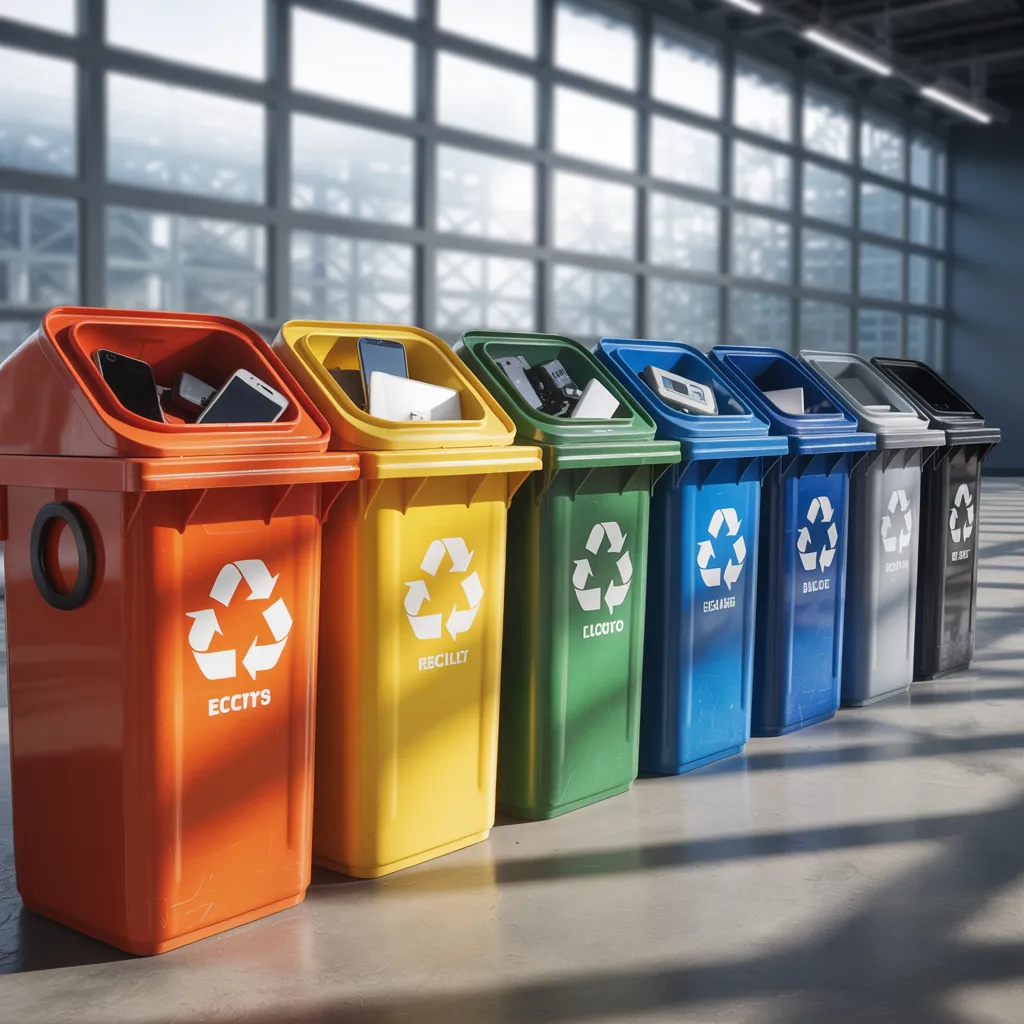
The Ecological Footprint of E-Waste
The increase in use of electronic devices has triggered a growing crisis: e-waste. This waste consists of discarded electronics that contain hazardous materials, including lead, mercury, and cadmium. When improperly disposed of, these substances can leach into soil and water systems, posing severe risks to human health and ecosystems. The accumulation of e-waste in landfills worsens these issues, as the breakdown of electronic components releases toxic chemicals into the environment. Additionally, e-waste leads to resource depletion; valuable metals like gold and copper are often lost rather than reused. In many regions, inadequate e-waste management practices
The Importance of Electronic equipment Recycling
Understanding the significance of electronics recycling is essential in addressing the rising e-waste crisis. As technology advances, the amount of discarded electronics continues to expand, causing significant environmental risks. Improper disposal can lead to hazardous materials leaching into soil and water, damaging ecosystems and human health.
Recycling of electronics addresses these dangers by ensuring that valuable resources, including metals and plastics, are salvaged and repurposed. This approach reduces the demand for new raw materials, thereby conserving natural resources and reducing energy consumption linked to production.
Moreover, recycling cuts greenhouse gas emissions related to manufacturing. By facilitating mindful disposal procedures, communities can nurture a culture of eco-consciousness and environmental stewardship. Ultimately, electronics recycling is not just an option; it is a critical element of a holistic framework to forge a cleaner, healthier planet for future generations.
Methods for Determining Recoverable Tech items
In what manner can individuals distinguish which electronics are recyclable? Identifying recyclable electronics entails analyzing various aspects. First, individuals should look for specific recycling symbols or labels, which denote the product's recyclability. Common recyclable items encompass smartphones, laptops, tablets, and televisions, as they often possess substances that can be repurposed.
Next, individuals must consider the age and status of the equipment; older electronics are often more likely to be able to be recycled due to obsolescence. Also, local rules play a significant role; many local areas establish standards on which electronics can be recovered.
To summarize, reviewing manufacturer resources or recycling programs can help establish which devices are qualified in recycling initiatives. By taking these steps, individuals can make sound choices about their electronics, contributing to a more sustainable approach to waste management.
Eco-Aware Electronics Management Methods
To address green electronics removal, it is essential to first identify the types of e-waste that need proper handling. Subsequently, choosing accountable reclamation alternatives guarantees that these items are processed in an ecologically responsible manner. This strategy not merely mitigates refuse but also promotes eco-conscious efforts throughout the community.
Determine E-Waste Kinds
E-waste refers to a extensive array of discarded electronic gadgets that carry environmental risks if not handled properly. Typical types of e-waste consist of computers, laptops, smartphones, tablets, televisions, and printers. Household appliances like microwaves, refrigerators, and air conditioners are also included in this group. Smaller electronics such as gaming consoles, chargers, and batteries also add to the e-waste problem. These items have harmful substances, including heavy metals and toxic chemicals, which may leak into soil and water if disposed of carelessly. Recognizing these types of e-waste is important for correct disposal, helping that individuals and organizations adopt suitable actions towards sustainable recycling and protecting the environment. Proper identification is the key first step in responsible e-waste management.
Pick Sustainable Disposal Alternatives
Selecting careful recycling options is crucial for lessening environmental impact. Individuals should search for approved e-waste recycling centers that adhere to local and international regulations. These facilities ensure that dangerous substances are safely treated, avoiding soil and water contamination. Additionally, many manufacturers offer take-back programs, permitting consumers to return old devices safely. Collaborating with community recycling efforts can also enhance responsible disposal practices, offering accessible options for everyone. It is important to evaluate and verify the credentials of recycling partners to ensure they focus on eco-friendly practices. By deciding carefully and using available resources, consumers can contribute to a sustainable future while effectively managing electronic waste.
How to Select the Top Electronics Recycling Program?
When assessing the best electronics recycling program, people should prioritize environmental responsibility and compliance with regional guidelines. A trusted program will follow industry standards, guaranteeing that hazardous materials are handled securely and conscientiously.
Moreover, people should investigate the program's credentials, such as R2 (Responsible Recycling) or e-Stewards, which demonstrate adherence to strict ethical and environmental guidelines. Transparency is also crucial; programs should clearly explain their recycling processes and provide details on how materials are disposed of or reused.
Analyzing customer reviews and testimonials can give deep understanding into the program's reliability and effectualness. Also, accessibility and convenience are important factors; individuals should choose a program that is accessible and offers various drop-off or pick-up options. In conclusion, choosing the right electronics recycling program not only supports sustainability efforts but also guarantees compliance with local laws and regulations.
Major Positive Impacts of Reusing Your Electronics
Recycling tech devices delivers substantial ecological safeguards benefits by decreasing hazardous waste and curtailing pollution. In addition, it serves a crucial function in resource conservation, enabling valuable materials to be retrieved and repurposed. These benefits underscore the significance of responsible e-waste management in fostering an environmentally sound tomorrow.
Green Conservation Benefits
Electronics reuse plays an vital role in environmental protection by significantly reducing electronic waste, which often contains hazardous materials. When incorrectly disposed of, these materials can leach into soil and waterways, creating significant health risks for ecosystems and communities. By reprocessing electronics, dangerous compounds such as lead, mercury, and cadmium are safely managed, preventing pollution. Additionally, reuse begin here helps decrease the demand for landfills, which often struggle with excess waste and contaminated leachate. Through responsible disposal practices, valuable components are recovered, supporting a cleaner environment. Moreover, reuse programs raise awareness about eco-friendly habits, encouraging individuals and businesses to make environmentally conscious decisions. Ultimately, electronics reuse fosters a healthier planet for future generations.
Resource Preservation Effects
The conservation of resources is a major benefit of recycling electronics, greatly reducing raw material extraction. By reprocessing old devices, metals such as gold, silver, and copper can be recovered and reused, lessening the demand for new resource extraction. This process not only safeguards natural habitats but also lowers energy consumption associated with mining and refining. Additionally, recycling electronics reduces the environmental impact of waste disposal, as discarded devices often hold hazardous substances. By supporting the reuse of materials, recycling encourages a circular economy, where resources are continually reused instead of discarded. Ultimately, recycling electronics has a pivotal role in sustainable resource management, ensuring that future generations can obtain essential materials without exhausting the planet’s resources.
How Can You Back Electronics Recycling Awareness?
Promoting understanding of the criticality of ethical e-waste handling can substantially shape ecological health. Individuals and organizations can assume a critical role in this initiative by employing diverse platforms to inform the audience. Online campaigns, educational workshops, and community gatherings are compelling means to spread insights regarding the benefits of e-device recycling.
Uniting with local schools, businesses, and environmental groups can accelerate these efforts. Distributing evident, readily available resources about recycling options, such as drop-off locations and collection events, prompts participation.
Influential narratives highlighting the perils of improper disposal and success stories of effective recycling initiatives can speak to audiences. Additionally, supporting measures that promote recycling infrastructure and incentivize participation can create lasting shifts. By promoting a atmosphere of obligation regarding e-waste, advocates can help promise a stronger planet for future generations.
Frequently Asked Questions
May I Reprocess Electronics Without Removing Private Details First?
Recycling electronics without deleting personal data is not recommended. Sensitive information could be obtained by others, resulting in data breaches. Proper recycling includes data wiping or physical destruction to guarantee private data remains secure.
Where Do My Gadgets Go Following Recycling?
After material recovery, devices are dismantled, with useful resources extracted for recycling into new products. Hazardous components are safely processed, warding off environmental harm. In conclusion, material recovery guarantees responsible disposal, safeguarding resources and limiting landfill impact while promoting green practices.
What Charges Could Apply in Recycling Electronics?
Charges for recycling electronics can differ based on location and organization. Some facilities offer free services, while others may impose a small fee, especially for larger items or specific types of electronic waste.
How Often Must I Recycle My Old Devices?
People should consider reusing their old devices every one to two years, or whenever they transition to new technology. Consistent recycling helps reduce electronic waste and assures responsible handling of outdated electronics.
Is it Able to Donate Electronics Rather than Disposing Them?
Yes, giving electronics is a practical option instead of recycling. Many groups take functional devices, giving a second life to the items while helping those in need. Ensuring they satisfy donation criteria is essential.
Comments on “Why Computer Recycling Houston Provides Eco-Friendly Recycling”