Eco-Friendly Approaches: How E-Waste Recycling Services Are Preserving Our Planet
E-waste represents a considerable hazard to the environment, as discarded electronics often contain toxic materials. Such dangerous compounds can pollute soil and water supplies, resulting in widespread environmental harm. E-waste recycling services present a viable solution. They successfully retrieve useful resources while simultaneously minimizing environmental pollution. Comprehending the operation of these services and their influence on communities is of great importance. The journey towards effective e-waste management raises critical questions about individual responsibility and collective action. What steps can be taken next?
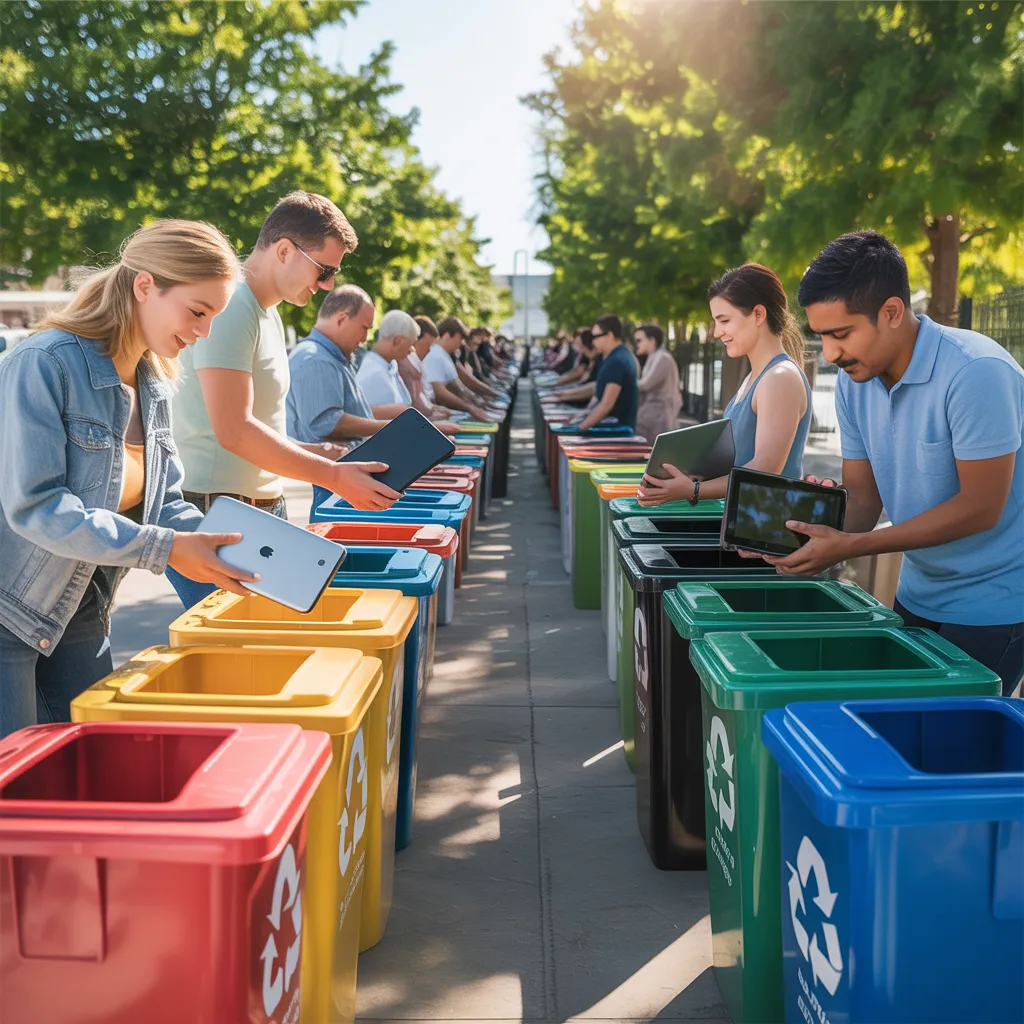
Why Electronic Waste Is Harmful to the Planet
While technology enhances our daily lives, e-waste poses considerable environmental hazards. Abandoned electronic gadgets, commonly laden with dangerous compounds like cadmium, lead, and mercury, can leach toxins into the surrounding soil and water supply, presenting dangers to both wildlife and human well-being. The accelerating rate of technological innovation leads to higher rates of electronics disposal among consumers, intensifying the growing problem of discarded electronic materials.
Landfills, already burdened with waste, struggle to accommodate the growing volumes of discarded gadgets. Incineration, a common waste management technique, emits dangerous pollutants into the environment, degrading atmospheric conditions. Moreover, poor recycling procedures can cause e-waste to be sent to developing regions, where employees may disassemble electronics without sufficient safety precautions, leaving them vulnerable to harmful substances. This ongoing cycle of carelessness and inadequate management emphasizes the pressing necessity for responsible recycling initiatives that can lessen the harmful consequences of e-waste on our world.
Understanding E-Waste and Its Significance
Electronic waste, commonly known as e-waste, encompasses obsolete electronic products like smartphones, computers, and televisions that have reached the end of their useful life. This increasingly prevalent form of waste is important due to its rapid accumulation, driven by technological advancements and consumer trends. As growing numbers of electronics become outdated, the toll on the environment grows more severe, with toxic materials such as lead, mercury, and cadmium presenting serious hazards to the environment and human well-being.
The significance of tackling e-waste extends beyond minimizing these risks to recognizing the valuable resources it holds. Critical metals and rare earth components can be reclaimed and recycled, decreasing the reliance on mining and protecting natural resources. With a thorough understanding of e-waste and its impact, people and organizations alike can make educated decisions about disposal and recycling, helping to build a more sustainable world. Responsible management of e-waste plays a key role in supporting a circular economy and championing environmental stewardship.
How E-Waste Recycling Works
E-waste recycling entails an organized procedure designed to recover valuable materials while minimizing environmental impact. To begin, discarded electronics are retrieved and sent to specialized recycling facilities. Upon arrival, the equipment is meticulously organized to separate hazardous components from recyclable materials.
Subsequently, workers break down the electronics, separating glass, metals, and plastics. This phase is essential, as it facilitates the reclamation of rare metals like copper, gold, and silver, which can be reused in new electronic products.
Next, the sorted materials are processed using cutting-edge techniques, such as mechanical shredding and chemical processing, to prepare them for reuse.
Finally, the residual hazardous materials are disposed of responsibly, complying with Explore now environmental guidelines. This systematic method not only conserves resources but also reduces the dangers associated with improper e-waste disposal, securing a more eco-conscious future for the consumption of electronics.
Advantages of E-Waste Recycling for You and Your Community
While many individuals may not realize it, the advantages of e-waste recycling reach well past personal use to meaningfully influence entire communities. By properly recycling electronic waste, individuals help foster a healthier environment, decreasing toxic components that can seep into soil and water. This responsible method helps preserve local ecosystems and supports public health.
Furthermore, e-waste recycling promotes employment opportunities within local communities. Nearby recycling establishments regularly need employees for diverse activities, including collection and processing, thereby providing employment opportunities for local residents. This not only strengthens the regional economy but also inspires community dedication to sustainable efforts.
Additionally, knowledge about e-waste recycling has the potential to generate awareness campaigns, equipping residents to embrace sustainable practices. By engaging with e-waste recycling programs, individuals foster a culture of sustainability, inspiring others to join the movement. Overall, the collective impact of these actions can create a more resilient and environmentally responsible community.
A Guide to Selecting an E-Waste Recycling Service
Picking the right e-waste recycling service is vital for ensuring that e-waste is managed with responsibility and sustainability. First, people should check the provider's credentials, such as R2 or e-Stewards, which signify conformance to professional guidelines for safe recycling practices. It is equally important to evaluate the company's reputation by reading customer reviews and looking for recommendations from trusted sources.
Furthermore, openness in the recycling process is crucial. A trustworthy company should supply straightforward details about how e-waste is processed and what happens to the materials. Furthermore, considering the scope of services provided can prove valuable; various firms may supply retrieval services or extend benefits for recycling.
In addition, being aware of regional rules concerning e-waste disposal can help inform the selection process. By prioritizing these factors, residents can actively participate in efficient electronic waste handling as well as promoting green and responsible behaviors.
Ways You Can Participate in E-Waste Recycling?
Engaging in e-waste recycling can start at the local level, where community recycling hubs regularly supply essential services for proper disposal. Additionally, taking part in community awareness campaigns can enhance efforts to inform others regarding the importance of proper e-waste handling. These actions not only encourage sustainable practices but also cultivate a collective sense of stewardship of the environment.
Local Recycling Centers
Several neighborhood recycling stations perform an important function in the recycling of e-waste, supplying communities with reliable ways to discard electronic waste in an eco-friendly way. These centers accept a selection of electronic equipment, including old computers, smartphones, and televisions, ensuring that harmful materials are handled safely. Most stations have experienced team members who are able to assist individuals with correct disposal techniques, highlighting the value of recycling rather than landfilling. In addition, various hubs coordinate planned drop-off gatherings or set collection days, enabling residents to engage without difficulty. By engaging with these local facilities, residents support a circular economy, decreasing environmental damage and advancing sustainable approaches. Connecting with these stations allows communities to address e-waste pollution proactively.
Community Awareness Campaigns
Local organizations, schools, and businesses can work together to organize events that support e-waste collection drives. Volunteers can play a pivotal role in spreading awareness, distributing educational materials, and engaging with the community. By means of these joint initiatives, local inhabitants gain greater awareness and encouragement to properly recycle their e-waste, thus playing a meaningful role in creating a more environmentally responsible future.
Answers to Your Most Common Questions
What Electronic Devices Are Eligible for Recycling?
Numerous electronics may be recycled, including laptops, televisions, smartphones, printers, computers, and gaming consoles. Moreover, accessories such as keyboards, mice, and batteries are also suitable for recycling, promoting sustainable environmental practices.
Do Any Costs Come With E-Waste Recycling?
That's correct, e-waste recycling can include fees, based on the provider. Certain providers charge fees for collection or processing, while some providers make services available at no charge, often subsidized by the sale of reclaimed components.
How Can Businesses Benefit From E-Waste Recycling?
Organizations can gain from e-waste recycling by minimizing disposal costs, enhancing their environmental image, complying with regulations, reclaiming useful materials, and potentially generating revenue through resale, ultimately contributing to a more sustainable operational strategy.
What Becomes of Data on Recycled Devices?
Details regarding recycled electronics is frequently irretrievably wiped or obliterated during the refurbishment process. This ensures sensitive information remains secure, blocking unwanted intrusion while enabling resources to be reused safely and responsibly in new products.
Is It Possible to Recycle Damaged Electronics?
Absolutely, damaged electronics can be recycled. Numerous facilities process defective devices, ensuring safe disposal and extraction of valuable materials. Doing so helps decrease environmental impact while promoting eco-friendly recycling methods to manage electronic waste efficiently.
Comments on “Top Electronics Recycling Services for Government Agencies”