Sustainable Solutions: How E-Waste Recycling Services Are Saving Our Planet
E-waste represents a considerable hazard to the environment, as abandoned electronic devices commonly carry harmful materials. These toxic materials have the potential to taint soil and water sources, resulting in widespread environmental harm. E-waste recycling initiatives provide a practical answer. They serve the dual purpose of reclaiming precious materials and reducing contamination. Gaining insight into how these programs function and affect local communities is critical. The path to successful electronic waste management prompts vital discussions about personal accountability and communal efforts. What actions should be considered going forward?
Why E-Waste Poses a Threat to the Planet
While technological advancements improve modern life, electronic waste presents considerable environmental hazards. Abandoned electronic gadgets, often containing hazardous materials such as cadmium, lead, and mercury, are capable of seeping pollutants into the surrounding soil and water supply, presenting dangers to ecosystems and human health. The accelerating rate of technological innovation contributes to greater consumer replacement of electronic devices, intensifying the growing problem of electronic waste.
Landfills, already strained by waste, are unable to keep up with the rising quantities of abandoned electronics. Incineration, a common waste management technique, emits dangerous pollutants into the environment, degrading atmospheric conditions. Furthermore, inadequate recycling methods can result in the shipment of electronic waste to underdeveloped nations, where workers may break down equipment without proper protective measures, putting themselves at risk of exposure to hazardous materials. This cycle of neglect and improper handling underscores the urgent need for sustainable recycling solutions that can mitigate the adverse effects of e-waste on the planet.
What Is E-Waste and Why Does It Matter?
Electronic waste, commonly known as e-waste, includes obsolete electronic products like televisions, computers, and smartphones that have reached the end of their useful life. This increasingly prevalent form of waste is important because of its swift buildup, driven by technological advancements and consumer trends. As growing numbers of electronics become outdated, the ecological consequences become more pronounced, with dangerous elements including lead, mercury, and cadmium posing risks to ecosystems and human health.
Addressing e-waste is crucial not only for reducing these dangers but also for acknowledging the precious materials found within it. Precious metals and rare earth elements can be recovered and reused, reducing the need for mining and conserving natural resources. By understanding e-waste and its implications, individuals and organizations can make informed decisions about disposal and recycling, ultimately contributing to a more sustainable future. Responsible management of e-waste plays a key role in supporting a circular economy and championing environmental stewardship.
How E-Waste Recycling Works
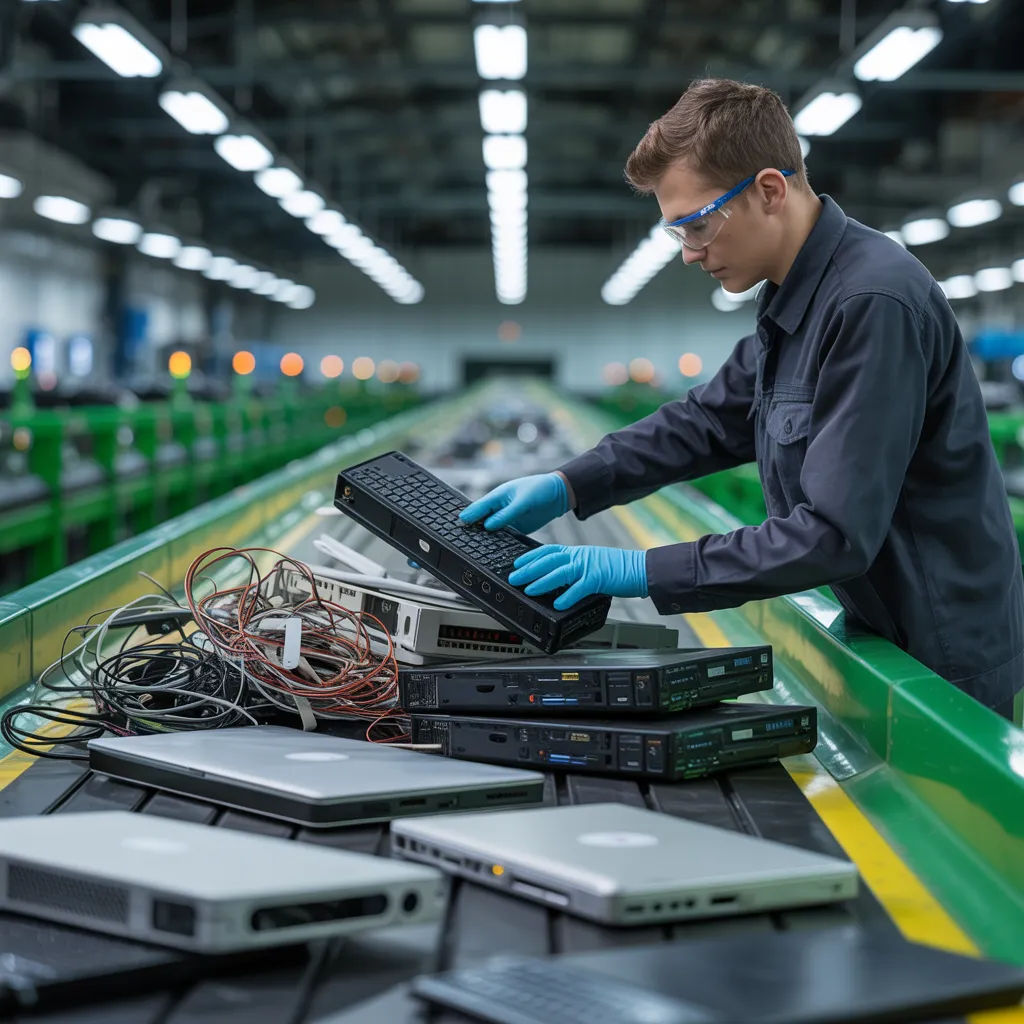
The recycling of e-waste encompasses an organized procedure intended to extract beneficial components while limiting ecological damage. To begin, e-waste is collected and transported to purpose-built recycling plants. Upon arrival, the electronics are carefully categorized to isolate dangerous parts from recoverable materials.
Subsequently, workers take apart the electronics, recovering glass, metals, and plastics. This stage is crucial, as it facilitates the reclamation of high-value metals like gold, silver, and copper, which can be reused in new electronic products.
Following this, the separated materials are treated using advanced techniques, such as shredding and chemical treatments, to purify them for recycling.
In the final step, the residual hazardous waste is handled with responsibility, adhering to environmental guidelines. This systematic method not only saves important resources but also minimizes the hazards connected to improper e-waste disposal, securing a more eco-conscious future for the consumption of electronics.
Why E-Waste Recycling Matters for You and Your Community
Though many people are unaware, the benefits of e-waste recycling reach well past personal use to meaningfully influence entire communities. By properly recycling electronic waste, individuals help foster a cleaner environment, See all reducing harmful substances that can seep into soil and water. This forward-thinking practice actively safeguards local ecosystems and supports public health.
Moreover, e-waste recycling fosters workforce growth within communities. Local recycling facilities often require personnel for diverse activities, spanning collection through processing, therefore offering work opportunities for local residents. This not only enhances the community economy but also fosters community involvement in eco-friendly practices.
Moreover, knowledge about e-waste recycling has the potential to generate learning opportunities, equipping residents to pursue greener alternatives. By enrolling in e-waste recycling programs, individuals promote a culture of sustainability, inspiring others to join the movement. Ultimately, the collective impact of these actions can create a more resilient and environmentally responsible community.
How to Select an E-Waste Recycling Service
Picking the best e-waste disposal service is essential for guaranteeing that e-waste is handled responsibly and sustainably. To begin, consumers should verify the provider's accreditations, such as R2 or e-Stewards, which signify compliance with established benchmarks for secure waste disposal procedures. It's also important to assess the provider's standing by reading customer reviews and obtaining recommendations from trusted sources.
Furthermore, clarity in the recycling process is essential. A trustworthy provider should supply straightforward details about the manner in which e-waste is managed and what becomes of the materials. Moreover, assessing the variety of services available can be advantageous; various firms may supply retrieval services or extend benefits for recycling.
Ultimately, learning about local guidelines related to e-waste disposal can help inform the selection process. By taking these elements into account, individuals can contribute to efficient electronic waste handling while supporting sustainable environmental efforts.
How You Can Take Part in E-Waste Recycling?
Engaging in e-waste recycling may begin at the local level, where local recycling facilities frequently offer essential services for proper disposal. Moreover, taking part in community awareness campaigns can strengthen efforts to raise awareness about the importance of proper e-waste handling. These initiatives not only encourage sustainable practices but also cultivate a collective sense of stewardship of the environment.
Local Recycling Centers
Many local recycling centers play an essential role in the recycling of e-waste, giving communities practical solutions to dispose of electronic waste responsibly. These stations receive a variety of electronic items, including old computers, smartphones, and televisions, ensuring that harmful materials are handled safely. The majority of facilities employ experienced team members who are able to assist individuals with correct disposal techniques, underscoring the benefits of recycling compared to landfilling. In addition, several stations organize drop-off events or designated collection days, making participation convenient for residents. By engaging with these local facilities, community members advance a circular economy, reducing environmental impact and promoting sustainable practices. Engaging with these centers allows communities to address e-waste pollution proactively.
Public Awareness Initiatives
Nearby organizations, schools, and enterprises can collaborate to host events that promote e-waste collection drives. Volunteers can play a pivotal role in raising awareness, sharing informational resources, and connecting with local residents. As a result of these combined actions, community members grow more knowledgeable and inspired to dispose of their electronics responsibly, ultimately contributing to a more sustainable future.
Common Questions and Answers
What Kinds of Electronics Can Be Recycled?
Various electronics may be recycled, including smartphones, computers, laptops, televisions, printers, and gaming consoles. Moreover, ancillary devices such as keyboards, mice, and batteries are also suitable for recycling, contributing to efforts to conserve the environment.
Is There a Cost Associated With E-Waste Recycling?
That's correct, e-waste recycling may involve fees, subject to the facility. Some facilities charge fees for collection or processing, while some providers provide no-cost solutions, typically funded by the proceeds from salvaged materials.
How Can Businesses Benefit From E-Waste Recycling?
Organizations can gain from e-waste recycling by minimizing disposal costs, strengthening their ecological standing, adhering to regulatory requirements, reclaiming useful materials, and possibly earning income through resale, ultimately contributing to a more sustainable operational strategy.
What Happens to Data on Recycled Devices?
Data regarding repurposed equipment is frequently permanently erased or destroyed during the refurbishment process. This guarantees private details stays protected, blocking unwanted intrusion while enabling materials to be recycled securely and sustainably within new applications.
Is It Possible to Recycle Damaged Electronics?
Yes, non-functioning electronics are able to be recycled. Many collection points receive non-functioning devices, providing safe disposal and recovery of recoverable materials. It helps lower environmental impact while promoting eco-friendly recycling methods to manage e-waste effectively.
Comments on “Top Electronics Recycling for Residential Drop-Off”